Hemera Technologies/AbleStock.com/Getty Images
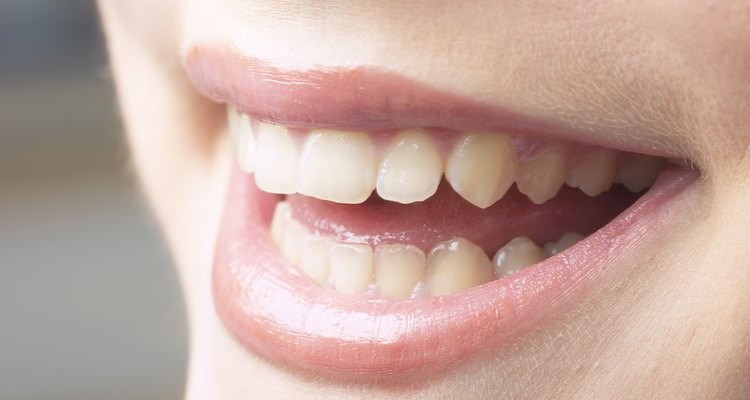
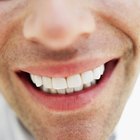
Yellow nicotine stains on your teeth, which are a side effect of smoking, can be frustrating to see every time you look in the mirror. It is possible to remove these stains by using a bleaching method to whiten the teeth. Some whitening products and procedures cause some people to experience a heightened sensitivity to cold or hot foods and beverages. If you notice that your teeth are becoming more sensitive, test other whitening methods until you can find one that doesn't cause you discomfort.
Baking Soda & Peroxide
Jupiterimages/Goodshoot/Getty Images
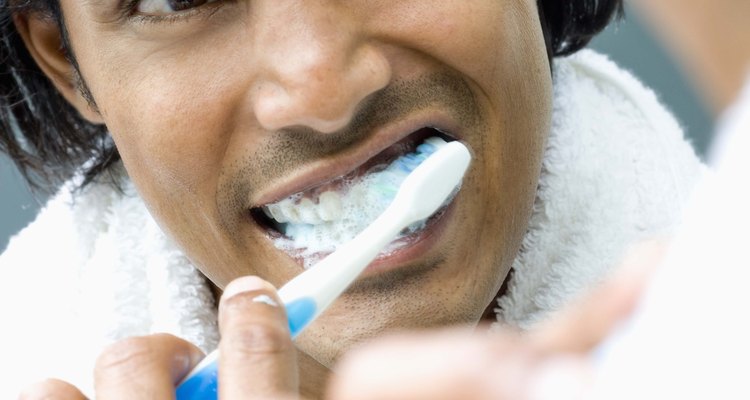
Oxygen has a way of dissolving stains, which is the function of many oxygen-based cleaners. Baking soda and peroxide have a chemical reaction that produces oxygen and makes a natural tooth whitener. In a small bowl, pour 1 tbsp. of baking soda, and then add 1/2 tbsp. of peroxide until it forms a paste that is the same consistency as your toothpaste. Brush with the baking soda/peroxide toothpaste everyday instead of your regular toothpaste. Though, it won’t give you the minty effect that your regular toothpaste does, it will help to lift the stains off of your teeth.
Whitening Products
Jupiterimages/Brand X Pictures/Getty Images
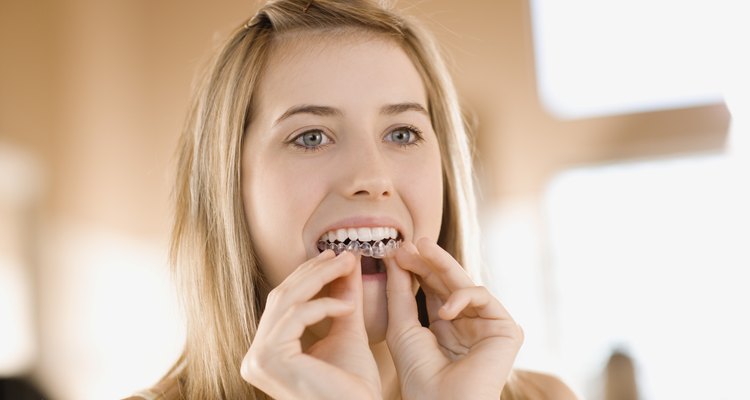
Use over-the-counter whitening products that you can purchase at the drug store. Products such as whitening strips and whitening trays, when used daily, can drastically reduce stains on your teeth. However, some whitening products tend to make your teeth more sensitive. After using them a few times, if you notice that your teeth hurt when you drink something hot or cold, discontinue the use of the whitening products and see a professional. A dentist will be able to help you find the best, most comfortable way to whiten your teeth.
Brush & Floss Daily

Jupiterimages/Pixland/Getty Images
Daily hygiene, such as brushing your teeth in the morning and before you go to bed at night, will help to slowly reduce the staining on your teeth. Be sure to floss each night as well, since nicotine goes in between the cracks of your teeth. A vibrating toothbrush will also help to loosen the stains faster, and will be able to better reach and brush spots in your mouth that you can’t reach. Use mouthwash every time you brush your teeth to kill over any germs and wash away plaque.
Quit Smoking

Hemera Technologies/AbleStock.com/Getty Images
You can clean and whiten your teeth as much as you want, but the nicotine stains are not going to go away unless you stop smoking. While you are in the quitting process, rinse your mouth well, and even brush if possible, after each time you smoke. This will help prevent the stains from sticking slightly.
Related Articles
How to Remove Dark Stains on Teeth
Will Cream of Tartar Whiten Teeth?
How to Soften Plaque on Teeth
How to Clean Stains From False Teeth
How to Remove Soda Stains From the Teeth
How to Use Opalescence 35

How to Remove Braces With Lemon

How to Brush Teeth With Diatomaceous ...
How to Polish Teeth at Home
How to Get Rid of the Smell of Alcohol
Foods for Eliminating Smoker Breath
How to Use Arm & Hammer Baking Soda to ...
How to Keep Acrylic Nails Clean
The Best Way to Use Crest Whitestrips
How to Get Rid of Aftershave Allergies

How to Remove Tobacco Stains From a ...

How to Reduce Facial Redness From ...
How to Reset a Sonicare

How to Make Your Own Oxygenating ...
How to Use Proxabrush
Writer Bio
Melissa McKean is a freelance writer based in Milwaukee, Wis. McKean has an expertise in web and SEO copywriting and has worked on both B2C and B2B lead generation and e-commerce websites to improve search engine rankings and usability. McKean has a bachelor's degree in advertising from Kent State University.
Photo Credits
Hemera Technologies/AbleStock.com/Getty Images