What Is Food Coloring Made Of?
Food colors are natural or synthetic dyes regulated by the U.S. Food and Drug Administration. Read more to learn about the history of FDA regulations for food colors, the psychology of why companies add food colors to products, and the natural and commercial colors that are used. Does this Spark an idea?
-
History
-
The Food and Drug Act in 1906 established a voluntary certification that regulated the coloring added to food by manufacturers. The Federal Food, Drug and Cosmetic Act of 1938 further regulated what color enhancers went into any food, drugs or cosmetics. In 1960 a color additive had to be on the Food and Drug Administration's approved list to be used. In 1990 the Nutrition Labeling and Education Act required any food coloring must be listed on the label by its common name. All new colors must be tested and approved by petition the FDA. When added to the list, the colors may be restricted as to what food or products they are added to. The United Kingdom regulates food coloring. The 27 countries that belong to the European regulate color additives to food.
Significance
-
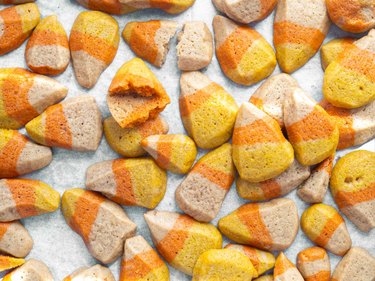
People often associate different colors with food. Sometimes color is connected to the flavor too. Often the color can influence how someone perceives the food's taste. Companies sometimes add coloring to give a product a more natural appearance. Food coloring is often added to natural products like oranges and salmon to give them more appeal to consumers or to meet consumer expectations that it looks a certain way. Another reason is to protect vitamins in food that may be lost due to exposure to light.
-
Function
-
Carmel coloring is used in cola and cosmetics. It is made from caramelized sugar. Annatto, a red food dye, is added to many cheeses, margarine, butter and smoked fish. Turmeric is a spice used to color some prepared mustards and canned chicken broths. It is also used to color cheese and yogurts. Manufactured dyes like Brilliant Blue FCF are used in commercial foods like ice cream, dairy products, sweets and soft drinks. It is also used in soaps, shampoos and cosmetics. Fast Green FCF is used for tinned green peas and other vegetables. Fast Green is also used in jellies, sauces, fish and desserts. Allura Red AC dye is most often used to color candy red and soft drinks. FD&C Yellow 5 is used for cotton candy, flavored chips, cereals, cake mixes, chewing gum, mustard and many other products
Types
-
There are a number of natural dyes or colors used in response to concerns about synthetic varieties. Some of the natural dyes are made from caramelized sugar, the seed of Achiote shrub, algae and beet juice. The following spices are used for food and product coloring: turmeric, saffron, and paprika. They are produced in very purified form. The manufactured food coloring like Brilliant Blue FCF is made from coal tar, which is a byproduct of coal when it is carbonized. Allura Red AC is an azo dye composed of salt and is water soluble. It is also composed of calcium and potassium. It too is derived from coal tar. Azo pigments are often composed of earth or clay. Many synthetic dyes or colors are made from the substances of coal tar and azo.
Features
-
In the United States, certified food colors can be used in food as dyes or lakes. Dyes are manufactured in the form of powders, liquids or granules. They dissolve easily in water. They are used in beverages, baked goods, pet foods and a variety of products. Lakes are a water soluble form of dye. They are excellent for coloring products that contain fat and oils. They are a more stable color additive than dyes. They are used in tablets, cakes, doughnuts, hard candy and chewing gum. Food coloring is sometimes used to dye fabrics.
-