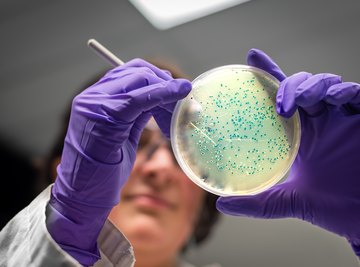
Bacteria are the oldest microorganisms found on earth. There are many types of bacteria such as predatory bacteria, pathogenic and good bacteria. Our bodies need certain types of bacteria to maintain proper functioning. However, many types of bacteria are pathogenic, and if they get within our bodies, acute, chronic, and fatal illnesses result. The human body has developed different barriers throughout evolution to prevent bacteria from entering and causing illness.
Skin Barrier
The skin, the body’s largest organ, is the first line of defense against bacteria and other pathogens. The skin acts as a barrier for the organs and systems of the body and protects them from the outside world. The skin’s superficial outermost layers are acidic, and this prevents the development and growth of nonresident bacteria. In order for bacteria to enter the body through the skin, it must be small enough to diffuse through the epithelial cells of the skin as well as make it through the different cell layers.
Oral-Cavity Barriers
Bacteria passing through the mouth and nose encounter difference defense mechanisms that work together to act as a barrier to prevent bacteria from entering the body. The lining of the mouth cavity consists of a rigid and tough mucous membrane covered in saliva. The saliva submerges the bacteria for swallowing, and this makes it easier to swallow, thus preventing the bacteria from attacking the salivary glands. Lysozymes are enzymes within the saliva that fight and destroy the bacteria in salvia.
Digestive Tract Barriers
The stomach produces gastric juices to aid in the digestion of food but also to kill any bacteria and pathogens within the food. Bacteria can only survive within a very narrow pH range. The low pH and strong acidity of the stomach prevent bacteria from colonizing and sustaining growth within the digestive system. The lymphatic tissue within the small and large intestine filter out any toxins and bacteria that is still present within the digested food. This prevents the bacteria from entering the body’s organ systems and tracts. Vomiting and diarrhea are the last defense mechanisms the digestive tract takes to rid the body of bacteria and prevent them from growing within the body.
Respiratory Tract Barriers
The first set of barriers that airborne bacteria are likely to encounter within the respiratory tract are vibrissae, or little hair follicles, found within the walls of the nose. The nose also contains nasal mucous that traps bacteria, preventing them from colonizing. Like the saliva within the respiratory tract, the nasal mucus within the nose contains lysozymes and other bactericidal materials, killing bacteria before they enter the respiratory tract. This mucous membrane extends from the nose to the trachea and then to the bronchi and traps the bacteria particles that pass through the nose and nasal mucous. The lymphatic tissue present in the lungs will get rid of any remaining bacteria and prevent it from entering the body.
References
- "Foundations in Microbiology 8th edition"; Kathleen Park Talaro; 2011
- UCLA School of Medicine; Protein secretion and the pathogenesis of bacterial infections; Vincent T. Lee, et al.
About the Author
Alex Said is a science writer whose work has been featured in several online databases as well as government brochures. Said holds a Bachelor of Science from University of Toronto.