About Impacted Stools

There are a myriad of things that can impair or be detrimental to our health. Something as simple as a bout of constipation can lead to impacted stools if left unattended. Recognizing and addressing such issues at the onset can prolong our lives and offer a healthy and invigorating lifestyle.

  1. Identification

    • Impacted stools (or fecal impaction) can be caused by a number of things, one being an overextended period of constipation. Other signs of impacted stool are nausea and vomiting, weight loss, constant urges to have a bowel movement (or if bowel movement occurs it may be very loose, like liquid), loss of appetite, pain in the abdomen (this usually occurs after a meal) and headaches. A general feeling of sickness may be present in addition to the symptoms.

    Types

    • As a result of the foods we eat, water intake and exercise habits, the stool can take on different shapes and forms. Use this guide to help identify whether or not your stool is normal and intact or in need of a little help.
      Smooth, long: This is normal and an indication of regular, daily trips to the bathroom.
      Lumpy, long: This will usually require some straining, but movements should be regular.
      Small, hard and separated: This indicates that fiber and water are missing from daily diet and will require an enormous amount of uncomfortable straining, which may result in bleeding.
      All liquid and no substance: This usually indicates diarrhea.

    Size

    • Stool sizes vary from person to person, just like the regularity of bowel movements varies from one individual to the next. Stools can range in size from 1 to 2 cm (small, hard and separated), to 3 to 4 cm (lumpy and long) back to 1 to 2 cm (smooth and long).

    Prevention/Solution

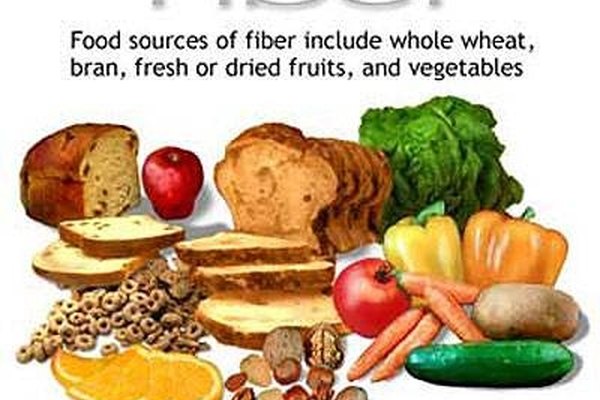
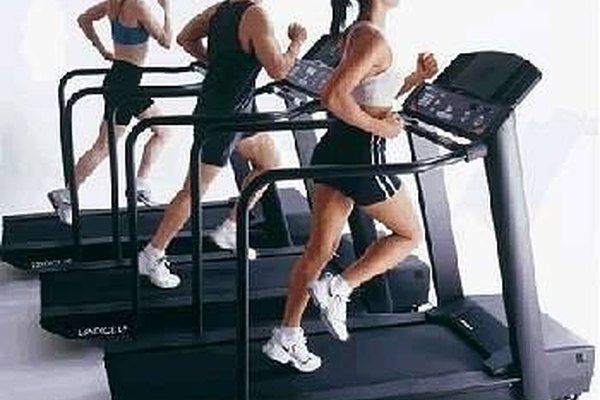
    • Eliminating or preventing some of the symptoms listed above can deter the unfavorable effects of impacted stools all together. To avoid constipation, maintain a healthy supply of fiber in your daily diet (about 25 to 30 g daily). You can take a fiber dietary supplement; even better, add foods that are high in fiber to your diet (carrots, beans, fresh fruits, broccoli, whole grains). Drink plenty of liquids every day, namely water (at least six to eight glasses daily); this prevents the stool from becoming dry and hard. Another way to avoid impacted stool is to exercise regularly. This doesn't necessarily mean you have to get a membership at your local gym, but daily or regular exercise such as a brisk walk for about 20 minutes or so will help promote and keep bowel movements consistent, thus avoiding constipation.

    Warning

    • If you experience a prolonged period of constipation and are unable to pass gas or expel any stool, you should contact your doctor immediately. It is not advisable to use any laxatives at this point. If you notice stool is really thin (almost like a pencil), you are experiencing abdominal pain and/or there is blood in the stool, you should contact your doctor immediately.

Related Searches:

You May Also Like

  • How to Treat Impacted Stools

    Fecal impaction is a serious complication of constipation in which the stool hardens and can no longer be eliminated with normal bowel...

  • How to Prevent Impacted Stools

    Many conditions can cause a person to become constipated. These conditions may be heightened when engaging in wilderness activities. Avoid constipation to...

  • Home Cures for Impacted Stools

    Constipation is a common issue for people who do not eat enough fiber and healthy food. Constipation also can be a problem...

  • About Impacted Stool in Children

    When a child develops impacted stool, it can be the result of constipation or a condition known as encopresis. There can be...

  • Causes of Permanent Bowel Incontinence

    According to the National Digestive Diseases Information Clearing House (NDDIC) ,bowel incontinence, also called fecal incontinence, affects more than 5 million ...

  • Counter Stool Vs. Bar Stool

    While counter stools and bar stools have some distinctions, in terms of their use in the home setting these two seating modes...

  • How to Prepare a Hemoglobin Specimen for Electrophoresis

    Hemoglobin specimens can be obtained from an experimental subject or a patient and then separated into constituent parts using electrophoresis in a...

  • What Is Colace?

    Colace is a stool softener used to treat temporary constipation, making it easier to pass hard stools. Unlike stimulant laxatives, it promotes...

Related Ads

Featured