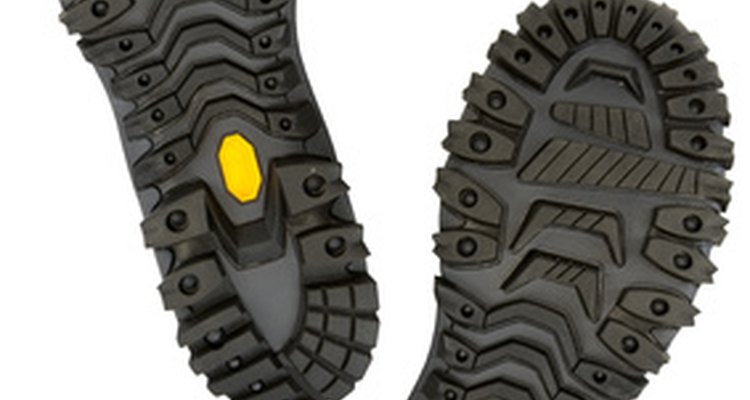
Shoe soles can be made out of a variety of products, depending on the type of shoe and its purpose. An athletic shoe will have a different kind of sole than a regular non-sport shoe and a casual shoe will usually have a different type of sole than a dress shoe.
Sport Shoe Sole Requirements
Sport shoe soles can be constructed so that they are lightweight yet provide the elasticity and wear resistance and tolerance that a conventional rubber sole provides. In a sport shoe, the sole is made by incorporating the outsole and midsole layers by fusing a mold that results in one piece. The materials for the sole can’t be too soft and the slope of the force deformation curve must be progressive, rather than linear, and consist of different grades so that the sole material gets harder the more compression that is put on it.
Good Choice for Shoe Sole
A good choice for any type of shoe sole material is polyurethane, because it consists of numerous tiny bubbles that provide durability and good shock absorption. The air bubbles can be varied, providing different densities of polyurethane. This determines a sole’s ability to absorb shock as well as its durability capabilities.
Another Feature
Another material choice for soles is dual density polyurethane, which combines different densities of polyurethane, with the toughest type on the outside and a soft version on the inside. This increases shock absorption and the durability of the shoes.
Considerations
Leather soles do not wear as well as shoes that have rubber compound soles nor do they provide good shock absorption or slip resistance.
Rubber
Rubber soles are an option. They’re good when it comes to absorbing shock and preventing you from slipping. Thermo-plastic rubber soles are made by molding and compounding rubber granules. This is another good sole when it comes to providing absorption.
Latex
An old-fashioned material called latex rubber provides great surface grip and shock absorption, as well as bounce and flexibility.
PVC or nitrol polyvinyl chloride soles can be sticky when it’s hot. However, this type of sole is durable.
Molded Soles
Molded soles can be found on dress shoes as well as casual shoes and hiking boots. They are made from rubber or rubber combined with other materials, according to the shoe sole website "Jayelco.com." Rubber soles are frequently found on beach wear shoes, sandals, shower slippers and flat-soled orthopedic shoes.
Related Articles

The Differences of Neoprene & Thinsulate

What Type of Shoes Should Be Worn for ...

Leather Sole vs. Rubber Sole Cowboy ...

The Difference Between Nike Dunks & AF1

Characteristics of Good Running Shoes

Kinds of Glue to Repair Running Shoes

What Are Pac Boots?

Sneakers That Have Good Ventilation for ...
How to Clean Wallabee Soles

Materials Used to Make Shoes
How to Wear Steel Toe Shoes
How to Clean Dr. Martens Shoes
The Differences Between a Flip-Flop and ...
How to Replace a Sole on a Timberland ...
What Are Converse Shoes Made Out of ...

How to Increase the Grip on a Shoe's ...
What Is Polyurethane Coated Leather?
About Leather Shoe Stretching Spray

Types of Nike Shoes

How to Clean the Insides of Rubber Boots
References
Writer Bio
Cindi Pearce is a graduate of Ohio University, where she received her bachelor’s degree in journalism. She completed both the undergraduate and graduate courses offered by the Institute of Children’s Literature. Pearce has been writing professionally for over 30 years.
Photo Credits
soles image by Aleksandr Lobanov from Fotolia.com