Overview
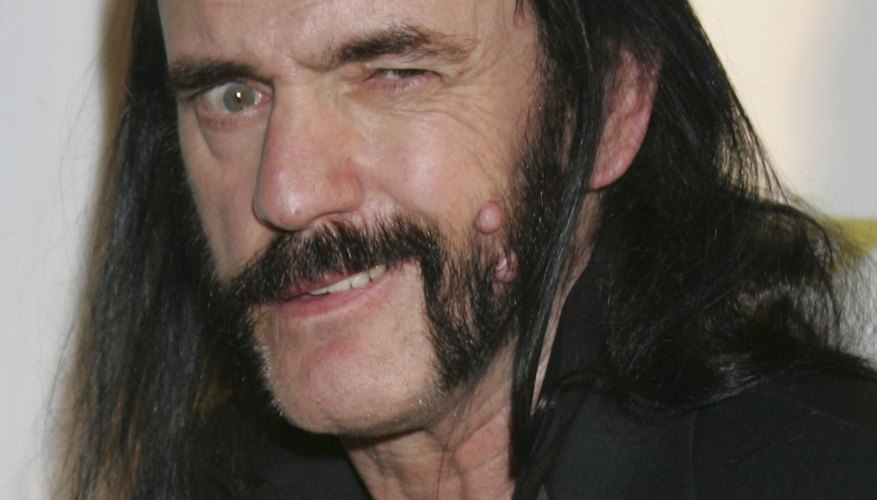
The field of rock music is one filled to the brim with casualties. Whether as a result of drugs, booze, or that "live fast and die young" attitude, the life of a rock star can be as short as it can be crazy. But, not always. As well as those performers who burn out well before their time, there are those wild characters of the stage that manage - sometimes time and again - to beat the Grim Reaper. They are the top 10 British rockers who many might say should be dead...but somehow aren't...
Stoned but still rolling
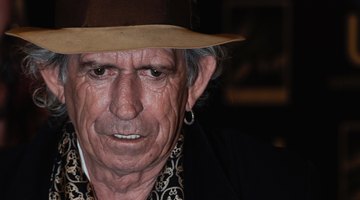
Undoubtedly the ultimate rock and roll survivor, Rolling Stones guitarist Keith Richards - "Keef" to his mates and the on-screen dad of Johnny Depp in the Pirates of the Caribbean films - is harder to kill than the reanimated, staggering corpses on The Walking Dead. He's seen it all, done it all, and even lived to tell the tale in a highly entertaining autobiography. Heroin, Jack Daniel's, allegedly snorting his old man's ashes, and even a close shave with death after falling out of a coconut tree have not stopped this stone from rolling. It's official: Keith cannot die!
- The field of rock music is one filled to the brim with casualties.
- They are the top 10 British rockers who many might say should be dead...but somehow aren't...
- Undoubtedly the ultimate rock and roll survivor, Rolling Stones guitarist Keith Richards - "Keef" to his mates and the on-screen dad of Johnny Depp in the Pirates of the Caribbean films - is harder to kill than the reanimated, staggering corpses on The Walking Dead.
Wild Man!

They say that cats have nine lives. Well, this cat has more. From his humble beginnings in Birmingham to a spacious home in Los Angeles, Black Sabbath vocalist, solo-star and reality TV hero, Ozzy Osbourne defines what it means to have lived the rock and roll lifestyle. After decades of dancing on the edge, Ozzy - who once famously bit the head off a bat, got arrested for urinating across the road from the Alamo (while wearing a dress), and snorted ants with Motley Crue - is, today, clean and sober. And, most amazing of all, still alive!
Beating the odds
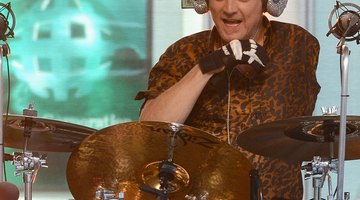
A headline along the lines of "Rock star seriously ill in hospital" might, for many, provoke images of drug excess or groupie overload. But, that's not always the case. In 1984, rockers Def Leppard were riding high when disaster struck. It was New Year's Eve when the band's drummer, Rick Allen, was seriously injured in a devastating car accident that tore off his left arm and put him in hospital for weeks. Not one to give up without a battle, Allen fought back, got well, and even returned to drumming with a modified, futuristic kit. And he's still doing it.
- They say that cats have nine lives.
- Not one to give up without a battle, Allen fought back, got well, and even returned to drumming with a modified, futuristic kit.
Related: The 10 best drummers in rock history
The Ace in the Pack
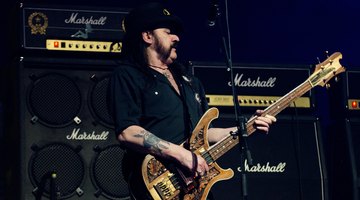
Renowned for his pounding bass-guitar, gravel-coated vocals, and super-fast songs, Lemmy - the Motorhead main man - can boast of having hung out with Jimi Hendrix and Sid Vicious. Jimi and Sid are dead. Lemmy, in case you haven't noticed, is not. But, the voice behind Ace of Spades has not shied away from substance-fueled fun. LSD, amphetamines and countless bottles of whisky have all played roles in the life of this near-indestructible road-warrior. Even the development of Type-2 Diabetes in 2000 didn't stop Lemmy from partaking in his daily Jack Daniel's and Coke. He continues to motor onward.
In a shambles

For much of the 2000s, one rock and roll name has been synonymous with controversy: Pete Doherty, frontman for the Libertines and Babyshambles and former boyfriend to uber-model Kate Moss. Incredibly, for all he has been through, Pete's still with us. After all, it's not everyone who has accepted guilt to possessing heroin, crack-cocaine and ketamine. Add to that a period spent at Wormwood Scrubs in 2008, a conviction for drink-driving, and endless run-ins with the law, and it's fair to say that Pete's life has been, to say the least, a bit of a shambles. But he's still breathing.
- For much of the 2000s, one rock and roll name has been synonymous with controversy: Pete Doherty, frontman for the Libertines and Babyshambles and former boyfriend to uber-model Kate Moss.
- Add to that a period spent at Wormwood Scrubs in 2008, a conviction for drink-driving, and endless run-ins with the law, and it's fair to say that Pete's life has been, to say the least, a bit of a shambles.
Related: The world's drug capitals
From hospital to pistol

While most British rockers who have a brush with near-death do so after they're in a band, that's not always the case. Take, for example, the Sex Pistols' legendary singer, and the greatest spokesperson Country Life butter has ever had, Johnny Rotten. Better known today as John Lydon, and the voice behind his other band, PiL, the punk veteran very nearly didn't make it out of childhood. At only seven years of age, he was struck down with meningitis, which left him hospitalised and seriously ill for a year. Fortunately, it takes more than that to stop a Sex Pistol!
Food for thought

He was born in 1947 as Reginald Kenneth Dwight, later became famous when he went by the name of Elton John, and now has the right to call himself Sir Elton Hercules John, CBE. Everyone knows his music. But what about behind the scenes? It certainly hasn't all been fun and games. Some of it was downright dicey. For starters, in 1975 John suffered a drug-overdose. Far more serious, he fought a battle against potentially-deadly Bulimia. Fortunately, John beat the disease that for a large number proves tragically fatal. Even for male rockers the pressure is on to stay skinny.
- Related: Top 10 British rock groups of all time He was born in 1947 as Reginald Kenneth Dwight, later became famous when he went by the name of Elton John, and now has the right to call himself Sir Elton Hercules John, CBE.
- Even for male rockers the pressure is on to stay skinny.
Punk rock hazards

Being a Sex Pistol is a precarious business. We've already seen how lead-singer John Lydon fell victim to meningitis. On top of that, the band's inept bass-player Sid Vicious died of a heroin overdose in 1979. Although less publicly visible than Lydon and Vicious, the band's guitarist, Steve Jones, a resident of Los Angeles since the early 80s, struggled with a serious heroin habit for years. Admitting that his addiction nearly killed him, Jones fortunately pulled himself back from the brink and has since carved out a successful career in California as a musician and disc jockey. Punk rock lives!
Slowhand stops

It seems that heroin and rock-stars are destined to go together. Take Eric Clapton. Like so many other rockers, he fell under the spell of the often-deadly drug. Alcohol, too, took its toll on the man known as "Slowhand." And to demonstrate how bad things got, in his autobiography Clapton admitted there was a time when the only thing preventing him from committing suicide was the realisation that, if he did, he would never be able to drink again. That's when you know it's time for a change. And Clapton did change - which is why he's on this list!
- It seems that heroin and rock-stars are destined to go together.
- Like so many other rockers, he fell under the spell of the often-deadly drug.
Dead or alive?

Finally, there's a story with a weird twist. It was in 1995 that Richey James - guitarist for the Manic Street Preachers - vanished. As in really vanished. The fact that his car was found abandoned near the Severn Bridge suggested suicide. Certainly, Richie was a tortured soul, one blighted by self-abuse, eating-disorders and depression. But, according to some, Richie is still with us. In the wake of his disappearance, the guitarist was supposedly seen in both Lanzarote and Goa, India, although neither sighting was confirmed. Officially, as of 2008, Richie is presumed dead. A rock and roll survivor? Maybe.
- Related: Great writers who lived like rock stars Finally, there's a story with a weird twist.
- But, according to some, Richie is still with us.