Home Sweet Home
Hacks, Tips & Tricks
Squeaky Clean
DIY Decor
Carpentry & Remodeling
Maintenance & Repair
Green Thumb
All Home Sweet Home
Chow Down
Main Dishes
Sweet Treats
Snacks
Copycat Recipes
Drinks & Cocktails
Sides & Appetizers
Veggie Faves
Food Hacks
All Chow Down
Get Crafty
Sew Simple
Fun Crafts
Art Projects
All Get Crafty
Let’s Celebrate
Valentine's Day
St. Patrick's Day
Easter
Mother's Day
Father's Day
4th of July
Back to School
Halloween
Thanksgiving
Christmas
New Year
Weddings
Baby Showers
Birthdays
Parties & Events
Gifts
All Let’s Celebrate
JOIN OUR NEWSLETTER
JOIN OUR NEWSLETTER
Home
Let's Celebrate
Thanksgiving
Thanksgiving
By
Anna Buckley
Printable Thanksgiving Activity Pages for the Whole Family
Let's Celebrate
By
Bianca Fernandez
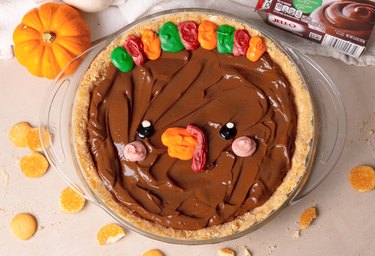
A Playful Pudding Pie for Thanksgiving
Let's Celebrate
By
Kirsten Nunez
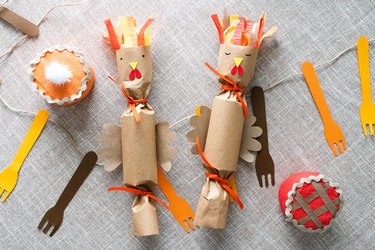
Pie Surprise Balls, Party Crackers & More Thanksgiving Paper Crafts
Let's Celebrate
By
Rachel Syens
Banish Thanksgiving Boredom With Activities for the Whole Fam
Let's Celebrate
By
Elba Valverde
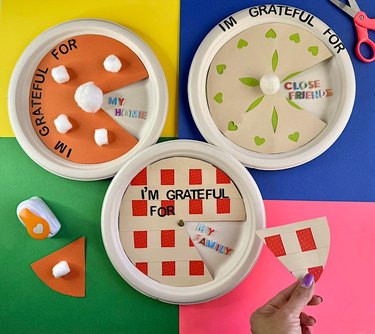
Rotating Paper Pies to Express Gratitude on Thanksgiving
Let's Celebrate
By
Bianca Fernandez
A Fluffy Flock of Turkey-Shaped Rolls for Thanksgiving
Let's Celebrate
By
Bianca Fernandez
Shortbread Cookie Turkeys To Gobble on Thanksgiving
Let's Celebrate
By
Kirsten Nunez
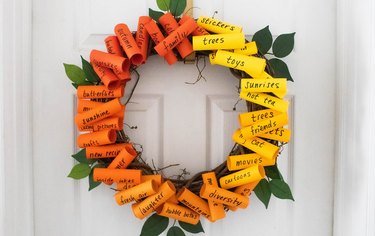
A Gratitude Wreath for an Especially Thankful Thanksgiving
Let's Celebrate
By
Kathryn Walsh
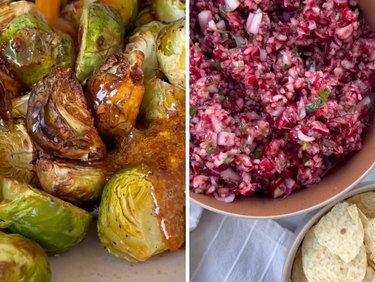
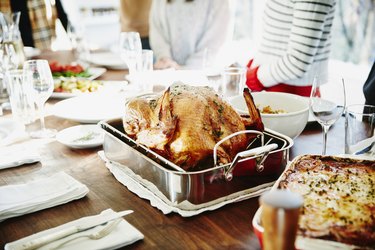
11 Unique & Tasty Thanksgiving Side Dishes
Let's Celebrate
By
Kirsten Nunez
Quirky Turkey Holiday Slippers for Festive Feasting
Let's Celebrate
By
Beth Huntington
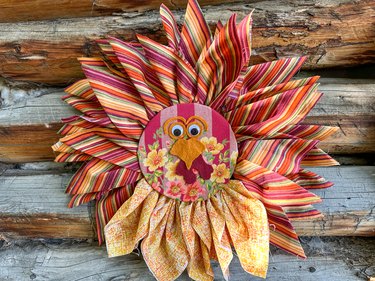
A Thanksgiving Turkey Wreath for Your Festive Front Door
Let's Celebrate
By
Sophie Boudreau
Cranberry Sauce Cosmos, Pumpkin Pie Martinis & More Thanksgiving Drinks
Let's Celebrate
By
Wanda Martucci
Gratitude Activities for the Thanksgiving Table
Let's Celebrate
By
Stephanie Valente
Thanksgiving Templates for the Table & Beyond
Let's Celebrate
By
Kirsten Nunez
An Orange-Themed Holiday Table
Let's Celebrate
By
Kirsten Nunez
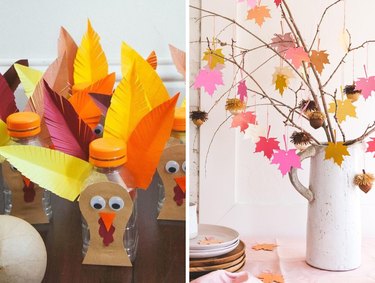
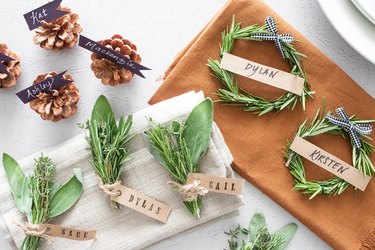
Eco-Friendly Thanksgiving Place Card Ideas
Let's Celebrate
By
Megan McCarty
Make Your Guests Feel Welcome With These Outdoor Thanksgiving Decorations
Let's Celebrate
By
Megan McCarty
Personalize Your Thanksgiving Tablescape With These Place Cards and Holders
Let's Celebrate
By
Jill Layton
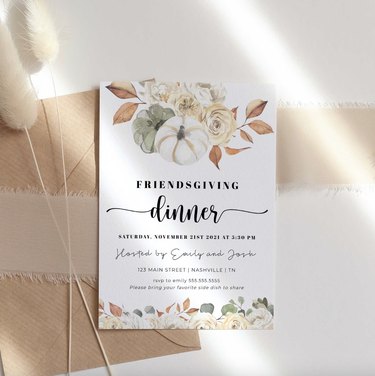
Thanksgiving and Friendsgiving Invitations Your Guests Will Be Grateful to Receive
Let's Celebrate
By
Jill Layton
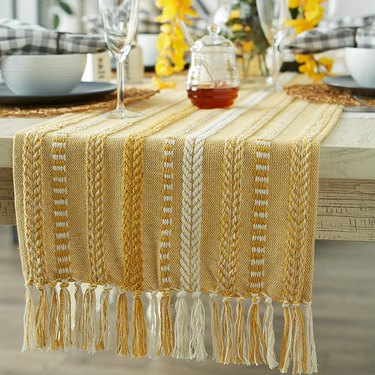
Elevate Your Thanksgiving Tablescape With These Festive Runners
Let's Celebrate
By
Jill Layton
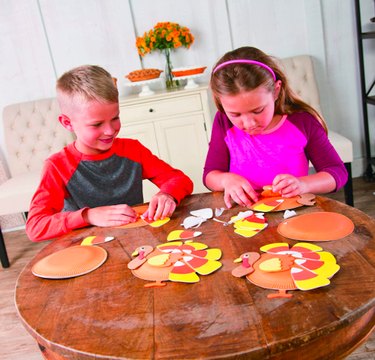
Thanksgiving Kids’ Activities to Keep Them Busy Until Dinnertime
Let's Celebrate
By
Megan McCarty
Thanksgiving Decor Finds That Are Seasonal and Stylish
Let's Celebrate
By
Megan McCarty
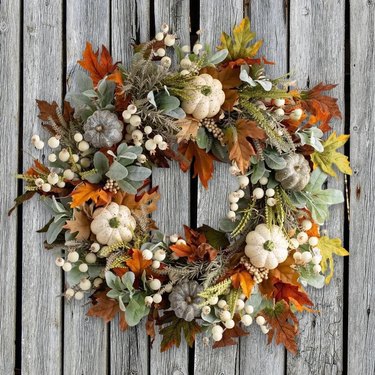
Feast Your Eyes on These Thanksgiving Wreaths
Let's Celebrate
By
Megan McCarty
Thanksgiving Centerpieces That Exude Autumnal Vibes
Let's Celebrate
By
Kathryn Walsh
30 Best Thanksgiving Side Recipes That Are Easy to Make
Let's Celebrate
By
Ashley Tyler
10 Life-Saving Thanksgiving Cooking Hacks, Tips & Tricks
Let's Celebrate
By
Ashley Tyler
10 DIY Thanksgiving Table Decor Ideas
Let's Celebrate
By
Spencer Hall
7 Thanksgiving Crafts to Entertain Your Kids While You Cook
Let's Celebrate
By
Miaira Jennings
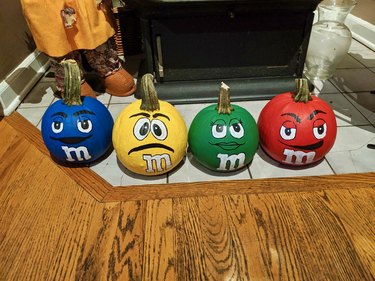
Crafty Pumpkin Spotlight: Diane Fernandez's M&M's Pumpkins
Let's Celebrate
By
Jonathan Fong
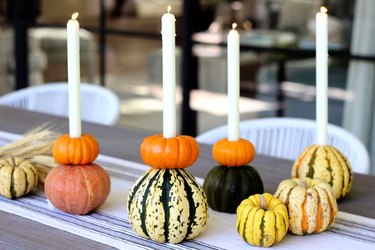
DIY Mini Gourd and Pumpkin Candle Holders
Let's Celebrate
By
Zoe Lance
10 Treats You Should be Baking in November
Let's Celebrate
By
Jonathan Fong
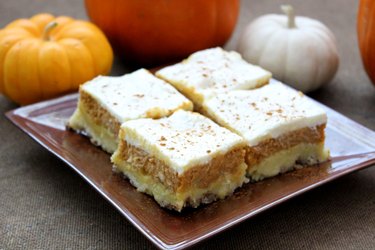
Easy to Make Pumpkin Crisp Recipe
Let's Celebrate
By
Jeran McConnel
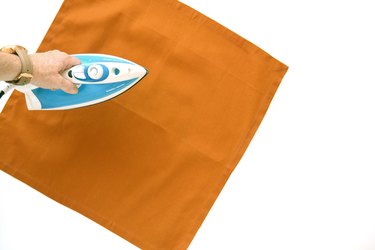
Charming Napkin-Folding Tutorial for Your Fall Table
Let's Celebrate
By
Meg Jernigan
How to Figure Out What Size Turkey to Buy
Let's Celebrate
By
Jonathan Fong
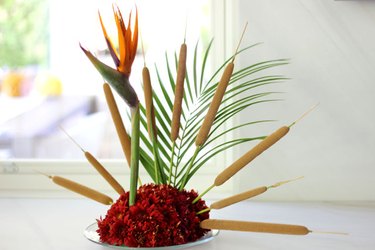
How to Make a Turkey Centerpiece from Flowers
Let's Celebrate
By
Rachel Joy Horn
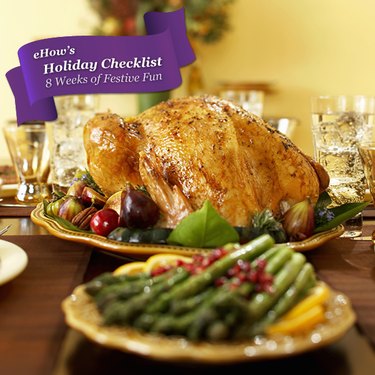
eHow's Holiday Checklist: Week 2
Let's Celebrate
1
2
>
Report an Issue
Contact*:
Severity*:
High
Normal
Low
Description*:
Screenshot loading...
Cancel
Submit