About Back Muscles
The back muscles are a complex set of muscles made up of three groups: superficial, intermediate, and deep back muscles. Some of the muscles are large and some are so small that they are hardly noticed, that is, unless you "pull" one of them.
Many people suffer from back pain due to strain on the muscles. The risk of strained back muscles can be reduced by learning what back muscles actually are and learning how to keep them strengthened and toned.
-
Identification
-
The superficial back muscles are the muscles closest to the outside of the body, just under the skin. The superficial group works together to move the shoulders, arms, and neck.
Located at the base of the neck and extending to just below the shoulder blade and out toward the arm, the trapezius muscle works together with the levator scapulae (a neck muscle) to move the shoulders and neck.
These two muscles also work together to bend and rotate the neck if the shoulder is held in a fixed position or to raise the shoulder if the head is held in a fixed position. The trapezius muscle is one of the largest muscles in the body and pain from the trapezius can extend to other parts of the body. Pain in the trapezius muscle can be caused by tension, stress, extended periods in a sedentary position, poor ergonomics and lack of exercise.
The rhomboid minor and major muscles connect the shoulders to the spinal column. These muscles work with the trapezius muscle to raise, lower and rotate the shoulder.
Long periods of repetitive movement of the arms, such as the reaching and retracting action of moving the mouse for hours while working on the computer can cause these muscles to be sore.
The latissimus dorsi is the most powerful of the back muscles. The latissimus dorsi covers much of the lower back, extending from the hip bone to a tendon that extends from the upper part of the humerus (upper arm bone).
The latissimus dorsi helps to extend and rotate the arm during exercises such as swimming, helps the pectoral and abdominal muscles to pull the trunk upward during activities such as climbing, and assists the serratus posterior inferior muscle to raise the lower ribs during breathing.
The group of intermediate back muscles work with the respiratory system. These muscles move the ribs during the breathing process. The serratus posterior superior muscle is located behind the second to fifth ribs and is responsible for elevating the upper section of ribs.
The serratus posterior inferior muscle is located behind the ninth to 12th ribs and is responsible for elevating the lower section of ribs.
The deep back muscles are the strongest group of back muscles and play an important part in keeping a person's body upright. This group of muscles work together with the abdominal muscles to keep the body erect and also to bend and rotate the head, neck and torso.
The splenius capitis is located in the back of the neck, connecting the base of the skull to the spine. This muscle extends and rotates the head. The splenius capitis can be aggravated by activities such as holding the neck bent for long periods of time during activities such as reading or doing school work.
The splenius cervicis is extends from the base of the skull to the mid-spine region. This muscle works with the splenius capitis to extend and rotate the head.
The iliocostalis muscles are a group of muscles that consists of three subgroups: the lower iliocostalis extend from the upper part of the hip bone to the lower ribs, the middle iliocostalis extend from the lower ribs to the upper ribs, and the iliocostalis cervicis extend from upper ribs to the neck. The iliocostalis muscles aid in movements of the spinal column such as bending backwards, bending to the side, and rotating movements involving the spine.
The longissimus group are made up of the longissimus capitus, longissimus cervicis, and the longissimus thoracis. The longissimus capitus is located in the upper region of the back and helps to keep the head erect and move it from side to side.
The longissimus cervicis is located in the middle section of the back near the spine and extends the spinal column when bending to the side. The longissimus thoracis is also located in the middle section of the back and helps with extension and flexion and rotation of the ribs.
Effects
-
The back muscles can have an effect on your entire physical health. It is very important to maintain strong and healthy back muscles. The back muscles are the most important muscles associated with posture. Not only is it important to keep these muscles strong and healthy, but it is just as important not to abuse the back muscles by using them improperly when moving or lifting heavy objects. Back problems can indirectly cause problems in other areas of the body, such as the neck, hips, arms, legs, and respiratory system.
-
Benefits
-
The benefit of maintaining strong and healthy back muscles include allowing a person to breathe better, allowing a person to move with ease, and reducing the risk of injury and pain associated with back muscles.
It is important to include a healthy diet and regular exercise into your daily routine. Regular exercise helps to strengthen the muscles while a healthy diet helps keep body fat at a minimum. For example, a very large amount of body fat in the belly can create low back pain and compression.
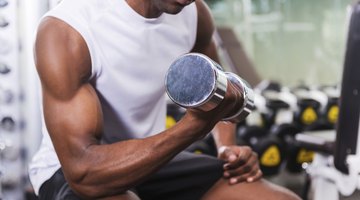
Exercises that benefit the back muscles include close-grip pulldowns, wide-grip front pulldowns, chin-ups, one-arm dumbell rows, wide-grip pull-ups, and rear delt raises. Before beginning an exercise regimen, it is a good idea to check with your physician, especially if you have back problems. Some exercises can be used in moderation to help strengthen the back if problems already exist.
Risk Factors
-
One of the most common physical complaints is back pain. This is because the back plays a role in almost every movement we make from walking to sitting, bending, and lifting. This is also the main reason that it is so important to maintain good posture and strong back muscles.
Approximately 80% of American adults suffer from some form of back pain. The causes of back pain include injury due to improper lifting, sports injuries, obesity, carrying large backpacks or purses for long periods of time, sudden movements, repetitive movements, obesity, mental or emotional stress, and childbirth.
Significance
-
Learning to maintain a healthy lifestyle that includes a proper diet and exercise regimen, including strengthening and toning the back muscles greatly improves overall health and allows a person to live a longer, more mobile life. While it may seem difficult to understand the complex make-up of the back muscles, it is extremely important to understand which exercises help to strengthen the back muscles and how to properly use the back muscles to avoid the strain and pain due to injuries.
Back muscles affect the posture and movement of your entire body. Strong back muscle help a person to move and breathe with ease while weak back muscles make a person more susceptible to injury, and make it more difficult to move and breathe freely.
-